When couples visit your wedding venue website, they are usually excited but also overwhelmed. They are looking at dates, budgets, guest counts, and comparing multiple venues at the same time. In that moment, asking them to fill out a long form can feel like too much work.
That is why shorter forms convert better than longer forms, especially for wedding venues. A short form removes friction, keeps momentum high, and makes it easier for couples to take the next step. This post explains why shorter forms work, where longer forms hurt conversions, and how to use the right form length at the right time.
What We Mean by Short Forms vs Long Forms
A short form usually asks for only the most important information, such as:
- Name
- Wedding date or month
- Guest count
A long form may ask for many more details, including budget, full timelines, vendor preferences, and long open ended questions.
Both types of forms have a place, but they do not serve the same purpose. Problems happen when venues use long forms too early in the process.
Why Shorter Forms Convert Better
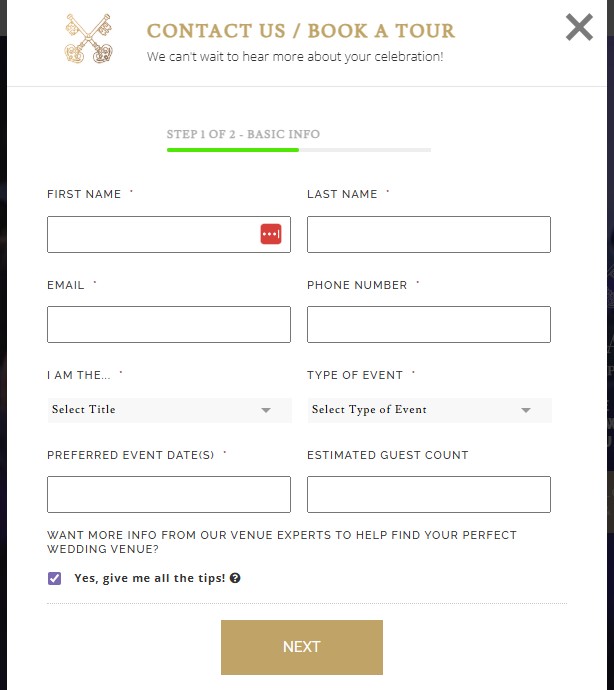
Short forms feel easy and low pressure. When couples see only a few fields, they are more likely to start and finish the form. Each extra question adds effort and gives couples another reason to stop.
Short forms also match how couples make decisions online. They want quick wins and small steps. Booking a tour or asking for information should feel simple, not like filling out an application. When the form feels easy, more couples complete it.
Long Forms Or Too Many Choices Create Friction and Drop Off
Long forms slow couples down at the exact moment you want them to move forward. They force couples to think too hard too soon. Questions about budget or details they have not decided yet can cause hesitation.
Many couples start long forms and never finish them. Others decide to come back later and forget. This means your venue loses high intent couples who were interested but not ready for that level of commitment.
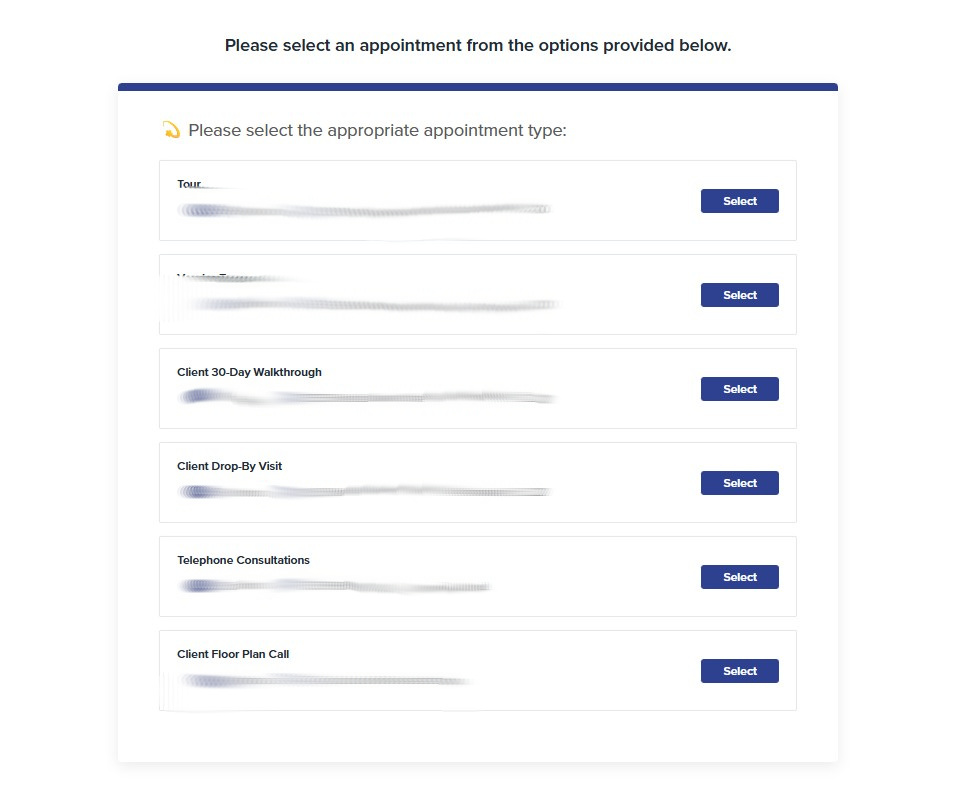
The same is true for giving couples too many options. This extra step can be the difference between a solid booked tour lead and them looking elsewhere. Yes, it is just a single click, but they clicked on the button to book a tour, their is no need to give them more options and more steps. Give them a short lead form, and you can get more information over the phone or in person if needed.
Short Forms Build Momentum First
A short form helps you capture interest while it is high. Once a tour is booked or a conversation starts, trust begins to build. After that, couples are much more willing to answer deeper questions.
Momentum matters in wedding planning. The easier you make the first step, the more likely couples are to keep moving forward. Short forms help you get your foot in the door.
Why This Matters Even More on Mobile
Most couples browse wedding venues on their phones, often at night or on weekends. Long forms are harder to complete on small screens. Scrolling, typing, and switching between fields increases frustration.
Short forms are faster and easier on mobile. They respect the way couples actually use their devices. A form that can be completed in under a minute will always outperform one that feels long and tiring on a phone.
When Longer Forms Do Make Sense
Longer forms are not bad, they are just often used at the wrong time. They work best when:
- A couple has already booked a tour
- You are preparing a custom quote
- The form is framed as a planning or consultation step
At this stage, couples expect to spend more time and share more details. The key is to earn that effort first.
How Wedding Venues Should Use Forms Strategically
The most successful venues use more than one form. They match the form length to the couple’s intent.
A smart setup looks like this:
- Short form to book a tour or request basic info
- Follow up email or form to collect deeper details
- Conversation during the tour to handle specifics
This approach captures more leads without overwhelming couples.
Common Mistakes Venues Make With Forms
Many venues accidentally hurt conversions by:
- Using one long form for every action
- Asking budget questions too early
- Treating tour bookings like consultations
- Forgetting that couples are often on mobile
Fixing form length is often one of the fastest ways to increase inquiries without changing traffic or ads.
Final Thoughts: Make the First Step Easy
Shorter forms convert better because they respect the couple’s time, attention, and mindset. They reduce friction, keep momentum high, and make it easier to say yes to the next step.
If your wedding venue website is getting visitors but not enough inquiries or tour bookings, your forms may be the problem. Making the first step simpler can lead to more completed forms, more tours, and more booked dates.