OMG They Must Not Like Us!
Every wedding venue owner knows the joy of getting a new lead. A couple reaches out, asks about dates, and may even schedule a tour. Then, just as quickly as the conversation began, the messages stop. Days pass. Weeks go by. Suddenly, it feels like the couple disappeared.
If this has happened to you, you are not alone. Silent leads are one of the most common struggles in the wedding industry. The good news is that silence does not always mean the couple has lost interest. Many times they are simply busy, stressed, or unsure of what to do next. With the right follow up strategy, you can reconnect with couples, show them why your venue matters, and guide them toward booking.
This post will walk through reasons why wedding leads go quiet and give you follow up tips that really work.
1. Understand Why Leads Go Silent
The first step is knowing why couples sometimes stop replying. Wedding planning is one of the biggest projects most people will ever take on. It is emotional, expensive, and full of important choices. It is no surprise that couples sometimes pause communication.
Some leads go silent because they are waiting to hear from parents or family members. Others are busy comparing venues and looking at costs. Sometimes their budget changes or they need to decide if they can afford extras. Life events like moving or job changes can also delay their response.
Remember that silence does not always mean rejection. It usually means the couple needs time, which gives you a chance to follow up in a helpful way.
2. Do Not Take It Personally
It is easy to think that silence means the couple does not want your venue. The truth is that silence often has more to do with their own planning than with you. If you treat silence like a rejection, you may give up too soon.
Instead, keep a positive attitude. Stay professional and approachable. Even if a couple does not book right away, they may come back later. If you remain patient and kind, you will stand out as a venue that values relationships.

3. Make Your First Follow Up Count
Timing is important when you follow up. If you have not heard back after a few days, send a warm message. Keep it short and personal. Avoid sounding like a sales pitch. Try to mention something the couple shared about their wedding vision.
For example:
“Hi Sarah, I loved hearing about your fall wedding ideas. I just wanted to check in and see if you had any questions about celebrating at our venue. We would love to help bring your plans to life.”
A friendly first follow up shows that you care and keeps the conversation open.
4. Add Value Instead of Just Asking
Couples do not want to be asked the same question again and again. If you only say, “Are you ready to book?” they may ignore your message. Instead, share something that helps them with planning.
You might send a wedding planning checklist, a short guide to seasonal flowers, or a blog post with tips for choosing the right timeline. This way, you are not only following up but also giving them useful tools.
When you provide value, you position yourself as a trusted partner, not just a salesperson.
5. Use More Than One Way to Reach Out
Not every couple prefers email. Some may answer a text faster. Others may like a quick phone call. If they reached out on social media, you can also send a message there.
Your tone should match the channel. Emails can be a little more formal, while texts should be casual and short. No matter what, always be respectful of their time.
By using more than one way to communicate, you increase your chances of being noticed.
6. Space Out Your Follow Ups
Following up is important, but so is timing. Sending too many messages close together can overwhelm a couple. Instead, give them room to respond.
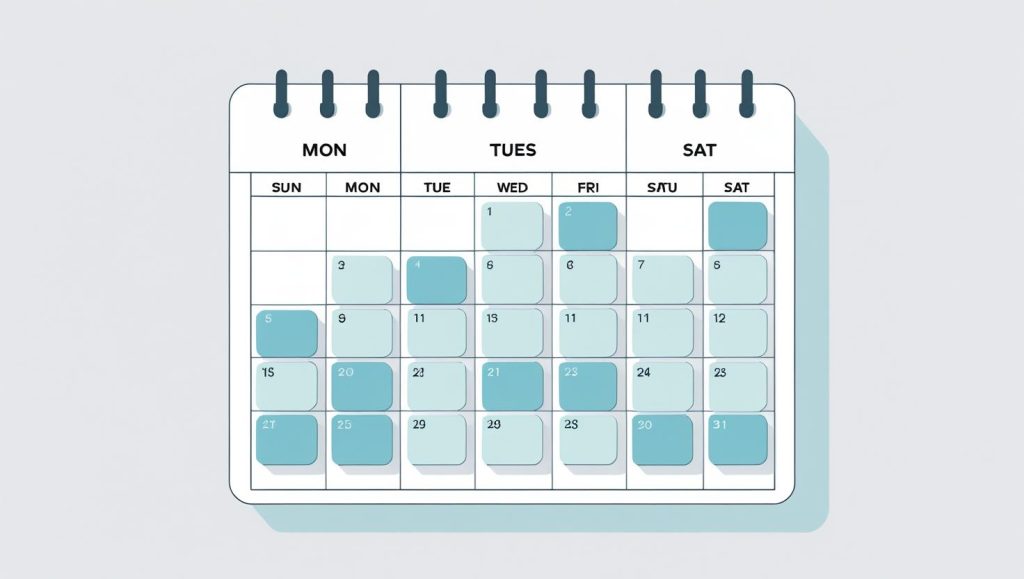
A simple schedule could look like this:
- First follow up: 2 or 3 days after their first inquiry.
- Second follow up: About a week later.
- Third follow up: Two weeks later.
If you have sent several messages without hearing back, it may be best to pause. Your goal is to stay visible without being pushy.
7. Share Incentives or Updates
Sometimes couples are stuck and need a reason to move forward. This is where small incentives or updates can help. Let them know about upcoming open house events or share if popular dates are filling up. Invite them to schedule a private tour to picture their day.
Even a small push, like telling them about seasonal offers, can give them the confidence to take the next step. Couples do not want to lose the chance to book their dream venue.
8. Know When to Pause Your Outreach
There comes a time when silence really does mean a couple is not ready. After a few friendly follow ups, it is wise to step back. Respecting their space shows maturity and professionalism.
But that does not mean the door is closed. You can always reconnect later with updates like new packages or seasonal events. Even if they do not book with you, your respectful approach will leave a lasting good impression.
9. Keep Track of Your Process
To improve your follow ups, you need to stay organized. A customer management system or even a simple spreadsheet can help. Track when you reached out, what you said, and how the couple responded.
Over time you will notice patterns. Maybe texts work better than emails. Maybe certain offers get more replies. Keeping records allows you to make smarter choices for future leads.
Staying organized also makes sure no lead is forgotten.

FAQ's
How soon should I follow up with a wedding lead?
Follow up within 2 or 3 days of their first inquiry. This shows you are attentive without rushing them.
How many times should I follow up before stopping?
Three or four follow ups is usually enough. After that, give them space and try again later with something new.
What if a couple never replies?
Not every lead will book your venue. That is normal. Stay polite, close the loop, and move forward with other active leads.
Should I use calls or just email?
It depends on the couple. Some prefer email, others may like text or a quick phone call. Follow the style they used when they first contacted you.
How do I avoid sounding pushy in follow ups?
Always offer something helpful. Share planning tips, venue updates, or invitations instead of only asking if they are ready to book.
What is the best way to track my leads?
A customer management system works best, but even a simple spreadsheet is fine. Track your messages and responses to stay consistent.
Conclusion: The Right Mix of Patience and Persistence
Silent leads are a challenge, but they do not have to be the end of your opportunity. Most couples are simply busy or overwhelmed. Your thoughtful and patient follow up can bring them back into the conversation.
By understanding why couples go quiet, staying positive, and using a mix of helpful follow up methods, you can keep your venue at the front of their mind. The right balance of persistence and kindness can turn a silent lead into a booked wedding.